Eco-Friendly Approaches: How E-Waste Recycling Services Are Preserving Our Planet
E-waste poses significant threats to the environment, as abandoned electronic devices commonly carry harmful materials. These toxic materials have the potential to taint soil and water sources, resulting in widespread environmental harm. E-waste recycling initiatives provide a practical answer. They successfully retrieve useful resources while simultaneously minimizing environmental pollution. Get it now Gaining insight into how these programs function and affect local communities is critical. Pursuing efficient e-waste management brings forth pressing questions regarding individual duties and shared responsibility. What actions should be considered going forward?
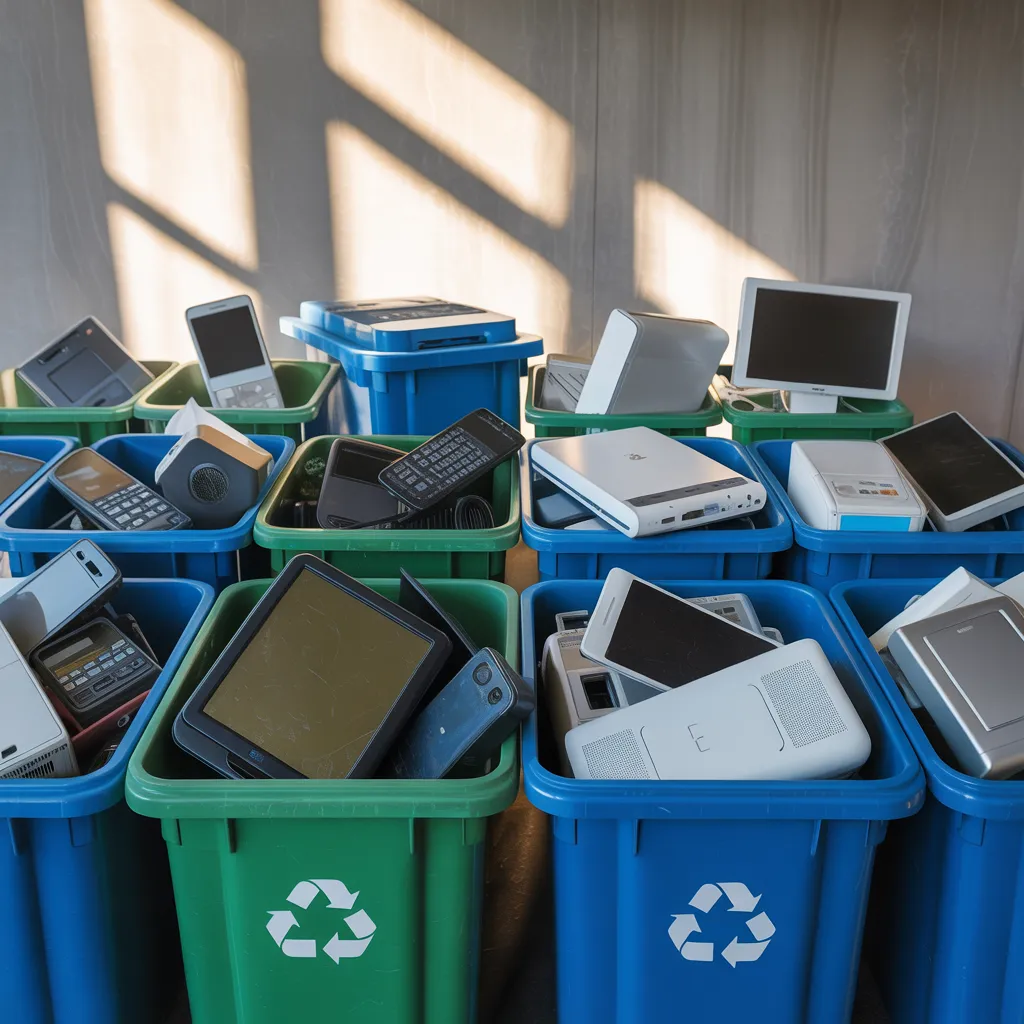
How E-Waste Is Hurting the Planet
Although technology enriches contemporary living, e-waste poses considerable environmental hazards. Discarded electronic devices, frequently composed of toxic substances including lead, mercury, and cadmium, may release harmful substances into groundwater and soil, posing risks to both wildlife and human well-being. The accelerating rate of technological innovation contributes to increased consumer turnover of electronics, intensifying the growing problem of electronic waste.
Landfills, already strained by waste, are unable to keep up with the rising quantities of abandoned electronics. Incineration, another disposal method, releases harmful pollutants into the atmosphere, contributing to air quality degradation. In addition, improper recycling practices can lead to the exportation of e-waste to developing countries, where laborers may dismantle devices without adequate safety measures, exposing themselves to dangerous substances. This pattern of negligence and mismanagement highlights the critical demand for eco-friendly recycling alternatives that can reduce the damaging impact of electronic waste on the environment.
Understanding E-Waste and Its Significance
E-waste, also referred to as electronic waste, encompasses obsolete electronic products like televisions, computers, and smartphones that are no longer functional or needed. This increasingly prevalent form of waste is important owing to its accelerating volume, driven by technological advancements and consumer trends. As more devices become obsolete, the environmental impact intensifies, with dangerous elements including lead, mercury, and cadmium threatening both ecosystems and public health.
The importance of addressing e-waste lies not only in mitigating these hazards but also in recognizing the valuable materials it contains. Valuable metals and rare earth materials can be extracted and repurposed, lessening the demand for mining and preserving natural resources. By understanding e-waste and its implications, individuals and organizations can make informed decisions about disposal and recycling, ultimately contributing to a more sustainable future. Responsible management of e-waste plays a key role in supporting a circular economy and championing environmental stewardship.
The Way E-Waste Recycling Functions
The recycling of e-waste encompasses a structured approach intended to extract beneficial components while minimizing environmental impact. Initially, e-waste is collected and transported to dedicated processing centers. Once there, the electronics are carefully categorized to distinguish harmful elements from reusable resources.
After this step, specialists take apart the devices, removing glass, metals, and plastics. This stage is crucial, as it enables the reclamation of high-value metals like silver, gold, and copper, which are repurposed in modern electronics.
Next, the separated materials are refined using advanced techniques, such as mechanical shredding and chemical processing, to purify them for repurposing.
Ultimately, the residual dangerous materials are managed properly, complying with environmental regulations. This comprehensive process not only conserves resources but also mitigates the risks linked to irresponsible electronic waste disposal, ensuring a more sustainable future for electronic consumption.
Benefits of E-Waste Recycling for You and Your Community
While many individuals may not realize it, the advantages of e-waste recycling go far beyond individual benefit and actively shape entire communities. By carefully processing electronic waste, individuals help foster a cleaner environment, decreasing hazardous materials that can seep into soil and water. This responsible method actively safeguards local ecosystems and promotes public health.
Furthermore, electronic waste recycling supports job creation within communities. Local recycling facilities often require personnel for diverse activities, spanning collection through processing, thus generating valuable job opportunities for community members. This not only boosts the local economy but also promotes community participation in sustainable initiatives.
Moreover, knowledge about e-waste recycling may result in community outreach programs, encouraging residents to embrace sustainable practices. By enrolling in e-waste recycling programs, individuals promote a culture of sustainability, encouraging others to embrace similar practices. All things considered, the combined impact of these actions can result in a more strong and environmentally aware community.
Tips for Choosing an E-Waste Recycling Service
Choosing the right e-waste disposal service is essential for guaranteeing that e-waste is handled in a responsible and sustainable manner. Initially, people should check the company's certifications, such as e-Stewards or R2, which signify compliance with professional guidelines for secure waste disposal procedures. Additionally, it is advisable to assess the organization's reputation by checking reviews and obtaining recommendations from trusted sources.
Furthermore, clarity in the recycling process is essential. A reliable service should offer detailed insights about how e-waste is processed and how the materials are utilized. Additionally, assessing the variety of services available can be advantageous; various firms may supply retrieval services or extend benefits for recycling.
In addition, understanding local guidelines related to e-waste disposal can help inform the evaluation process. By taking these elements into account, people are able to support effective e-waste management as well as promoting eco-friendly habits.
How You Can Take Part in E-Waste Recycling?
Getting involved with e-waste recycling can start at the local level, where recycling centers regularly supply essential services for responsible disposal. Moreover, joining community awareness campaigns can amplify efforts to inform others regarding the importance of responsible e-waste management. These actions not only promote sustainability but also foster a collective sense of accountability for the environment.
Area Recycling Stations
A wide range of local recycling centers serve a vital function in electronic waste recycling, giving communities practical solutions to discard electronic waste in an eco-friendly way. These centers accept a selection of electronic devices, including aging computers, cell phones, and television sets, guaranteeing that dangerous substances are processed safely. The majority of facilities employ trained staff who support individuals in understanding proper disposal practices, underscoring the benefits of recycling compared to landfilling. Furthermore, many centers offer planned drop-off gatherings or set collection days, allowing residents to take part with ease. By taking advantage of these neighborhood resources, community members advance a circular economy, lowering environmental harm and encouraging sustainable habits. Partnering with these facilities empowers communities to take action against e-waste pollution effectively.
Community Outreach Campaigns
Nearby organizations, schools, and enterprises can partner to arrange initiatives that encourage e-waste collection drives. Volunteers can play a pivotal role in raising awareness, sharing informational resources, and connecting with local residents. Through these collective efforts, residents become more informed and motivated to recycle their electronic waste, ultimately contributing to a more sustainable future.
Answers to Your Most Common Questions
Which Types of Electronics Are Recyclable?
Various electronics are able to be recycled, including computers, smartphones, televisions, laptops, gaming consoles, and printers. Furthermore, ancillary devices such as keyboards, mice, and batteries are well-suited for recycling, supporting sustainable environmental practices.
Are There Fees Involved With E-Waste Recycling?
Yes, e-waste disposal can include costs, subject to the facility. Some facilities charge fees for pickup or handling, while some providers make services available at no charge, frequently supported by the proceeds from salvaged materials.
What Are the Benefits of E-Waste Recycling for Businesses?
Organizations can gain from e-waste recycling by minimizing disposal costs, strengthening their ecological standing, adhering to regulatory requirements, extracting valuable resources, and possibly earning income through resale, ultimately contributing to a more sustainable operational strategy.
What Occurs with Data on Recycled Devices?
Information regarding recycled devices is commonly permanently erased or obliterated throughout the recycling process. This ensures private details remains secure, blocking unwanted intrusion while enabling resources to be repurposed securely and sustainably within new applications.
Are Broken Electronics Eligible for Recycling?
Indeed, damaged electronics can be recycled. Several centers take in non-functioning devices, providing safe disposal and recovery of valuable materials. It helps decrease the environmental footprint while promoting responsible recycling practices to control electronic waste responsibly.
Comments on “Best Electronics Recycling Services for Businesses”